
Returning customers are one of the most valuable assets any business can have. They’re easier to sell to, tend to spend more over time, and often become your biggest advocates. But standard payment flows aren’t necessarily built with recurring payments in mind – especially when it comes to ERP-based mail and phone orders. Your customer care team has to load your order entry system, pull up the transaction record, and key in card data as though they haven’t already done so dozens – if not hundreds – of times.
Virtual payment processing + tokenization makes this simpler. You store secure remote tokens – not physical card numbers – in your isolated payment environment. When customers re-order, you can process their payment without re-entering their card information or having it in front of you. It’s more efficient and helps reduce your PCI scope.
What Is Virtual Payment Processing?
Virtual payment processing is a way to remotely process card-not-present payments (aka mail orders and phone orders.) Your team uses a secure software interface instead of a physical payment terminal. handles the transaction while your system receives the transaction result.
In most environments, virtual payment processing typically takes one of two forms:
- A web-based virtual terminal that order entry staff use to process payments
- An integrated payment module within the ERP itself, where cardholder data is sent to a processing portal without touching the ERP itself
Both approaches accomplish the same objective: your team processes the payment, the order is updated, and sensitive cardholder data stays out of your ERP.
Tokenized Cards on File Simplify Repeat Payments
Think about a wholesale customer calling in to reorder products they purchased a few months ago, or a long-standing account mailing in a purchase order. Without having cards on file, your team has to request and enter the customer’s card information every time they place an order.
With tokenized cards on file, the process is much simpler.
During the customer’s first transaction, the payment information is entered into the virtual payment interface and securely transmitted to the payment processor. The processor stores the card information in its secure vault and returns a token, which is a non-sensitive identifier that references the card on file within their vault. Your ERP stores the token rather than the card number.
When the customer places a repeat order, your order entry team selects the stored payment method (identified by details such as the card type and last four digits) and processes the payment. There’s no need to virtually re-enter card information, reducing manual effort and eliminating common data-entry errors
PCI Scope Reduction: Why Isolation Matters
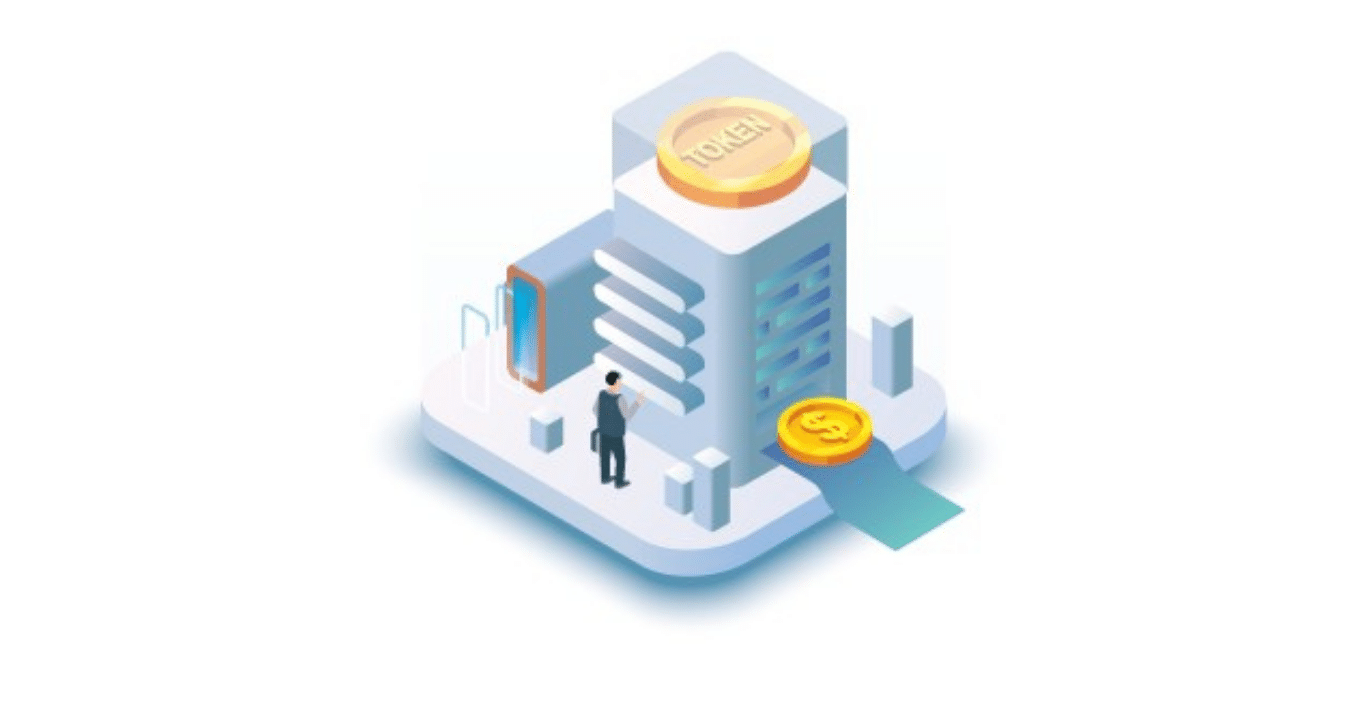
One of the biggest advantages of tokenized virtual payment processing is reducing your PCI scope.
PCI DSS (Payment Card Industry Data Security Standard) requirements are based on how cardholder data moves through your environment. The more systems that store, process, or transmit cardholder data, the more extensive your compliance requirements become, including security controls, assessments, documentation, and ongoing validation.
With an isolated payment environment, whether that’s a hosted virtual terminal or an integrated Curbstone payment interface, cardholder data is sent directly to the payment processor. It never enters your IBM i applications, databases, or network. Your ERP receives only the payment token and transaction details.
As a result, your ERP remains outside the cardholder data environment. Rather than documenting security controls across legacy IBM i applications and custom RPG programs, your PCI efforts are focused on validating the payment integration itself.
For many merchants, that means a smaller audit scope, fewer compliance requirements, and less time spent preparing for PCI assessments.
Works with Any IBM i–Based ERP
Curbstone integrates with virtually any ERP running on the IBM i platform.
Whether you’re using an off-the-shelf solution like Iptor or RentalMan or a custom RPG application that’s supported your business for years, Curbstone works within your existing workflows. You don’t have to change the way you already do business.
That’s especially important for IBM i businesses with highly customized environments. Your order entry screens, pricing logic, customer records, and business processes remain unchanged while payment processing is modernized around them.
The virtual payment integration can be tailored to your environment, whether you need payment token selection within your order entry screens, payment status updates returned to your ERP, or transaction history tied directly to customer orders.
Key Capabilities to Look for in a Virtual Payment Processing Solution
When evaluating virtual payment processing for your IBM i environment, look for capabilities such as:
- Card-on-file tokenization. Securely store payment methods as tokens rather than card numbers, making repeat transactions faster and more secure.
- Full MOTO support. Process transactions using workflows designed for card-not-present payments.
- PCI scope. Keep cardholder data outside your ERP and reduce the systems included in your PCI assessment.
- AVS and CVV verification. Validate billing addresses and security codes during authorization to help reduce fraud exposure on new transactions.
- Void, refund, and authorization management. Process authorizations, captures, voids, refunds, and partial refunds from a single payment interface while returning transaction statuses to your ERP.
- Batch settlement. Support scheduled or end-of-day settlement processes for businesses that separate payment capture from order entry.
- Reporting and audit history. Access transaction history, settlement information, and authorization records without logging directly into the payment processor.
Getting Started with Virtual Payment Processing
Curbstone works with IBM i merchants to integrate payment processing into their existing applications. There’s no need to replace your ERP or redesign your order management process.
Instead, the goal is to isolate payment capture, enable tokenized payments for returning customers, and reduce your PCI DSS scope while allowing your team to continue working in the systems they already use.
Ready to see how virtual payment processing can fit into your IBM i environment? Contact Curbstone to learn how an integrated payment solution can simplify payment processing while reducing your PCI compliance burden.